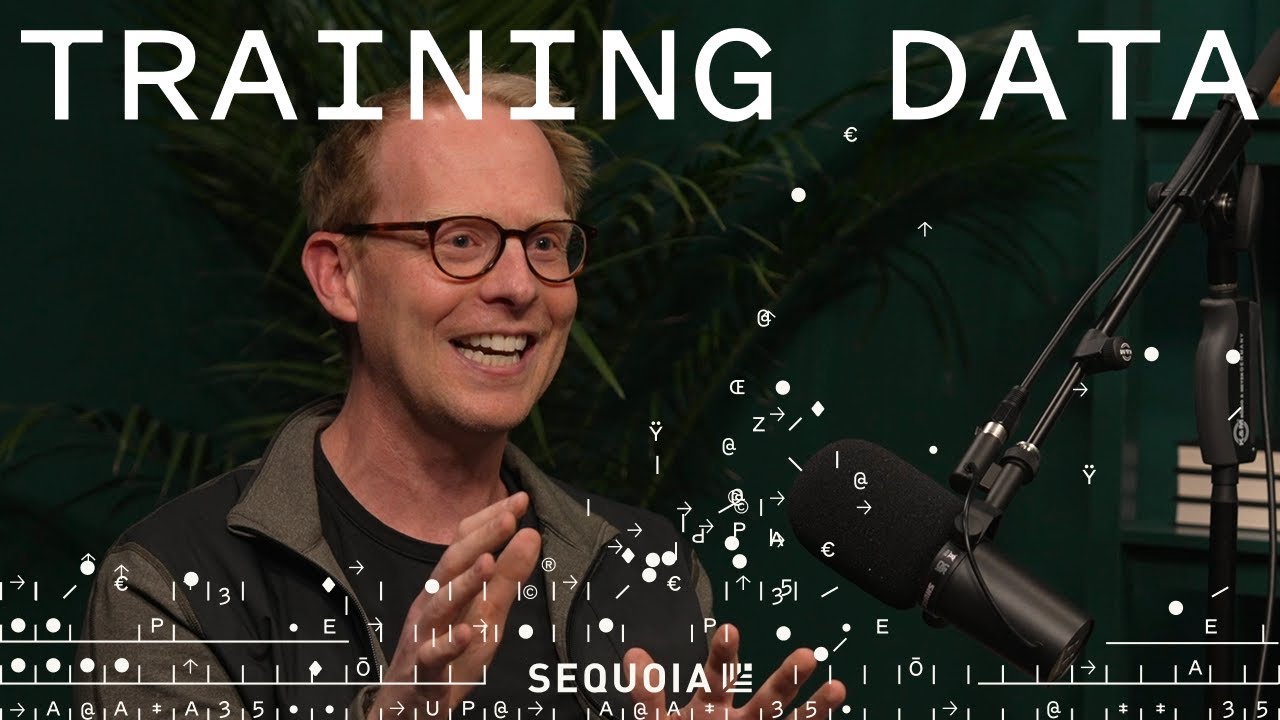

Google's AI Infrastructure Chief, Amin Vahdat, on the Physics & Economics of Frontier AI
拆解前沿人工智能基础设施的算力与能源逻辑

95 分钟阅读17 次阅读AI
【AI前沿】从TPU到轨道数据中心:前沿AI如何走向更大规模 Google AI基础设施负责人Amin Vahdat系统讲解前沿人工智能背后的硬件、网络、软件与能源体系。他指出,超大规模集群真正应关注的是故障环境下的有效吞吐,而非纸面FLOPS;TPU的演进依赖模型与芯片协同设计,长程智能体则正在同时推高对CPU、存储和网络的需求。文章还将带你理解光交换、电力瓶颈、训练与推理集群差异,以及轨道数据中心和2036年超级计算机的可能形态。 🎙️ 主讲人介绍 Amin Vahdat:Google AI基础设施首席技术专家,长期参与TPU、超大规模计算系统及前沿AI基础设施的设计与演进。 Sonya Huang:Sequoia Capital主持人,负责围绕前沿人工智能基础设施与产业趋势向嘉宾提问。 核心议题:有效吞吐与系统可靠性、TPU专业化演进、软硬件协同设计、长程智能体与数据中心、光交换与网络架构、AI基础设施的电力挑战。 关键词:TPU、Goodput、AI数据中心、光交换、长程智能体、轨道数据中心
章节 1:前沿人工智能基础设施的规模化建设
📝 本节摘要:
本节介绍前沿人工智能基础设施建设的巨大规模与资本投入,并讨论硬件针对特定工作负载进行专业化设计时,在灵活性、速度和能效之间的权衡。嘉宾还将解释人工智能数据中心与传统数据中心的主要区别。
[原文] [Amin Vahdat]: In hardware, again, as you know, there is this opportunity where the more you specialize to a particular workload, the less flexible it is, the faster and more power-efficient the hardware is going to be. So it is this art, and it's this projection of what are you designing to and how persistent is that workload. In other words, if it's going to go away after a month or two months or three months, even if it's big for those three months, you got a really narrow window to intercept it. So it has to be somewhat durable. And you have to be able to project exactly what win you can get for specializing to it.
[译文] [Amin Vahdat]: 在硬件领域,正如你所知,越是针对某种特定工作负载进行专业化设计,硬件的灵活性就越低,但速度会越快,能效也会越高。所以,这既是一门艺术,也需要判断:你究竟要针对什么进行设计,以及这种工作负载能够持续多久。换句话说,如果它一个月、两个月,甚至三个月后就消失了,那么即使它在这三个月里规模很大,你真正能够抓住它的窗口也非常短。因此,这种工作负载必须具备一定的持久性,而且你还必须能够准确预估,针对它进行专业化设计究竟能带来多大的收益。
[原文] [Sonya Huang]: Thrilled to welcome Amin Vahdat to the show. Amin, thank you for joining us today.
[译文] [Sonya Huang]: 非常高兴欢迎 Amin Vahdat 来到我们的节目。Amin,感谢你今天参加节目。
[原文] [Amin Vahdat]: It's really exciting to be here. I'm really looking forward to it.
[译文] [Amin Vahdat]: 很高兴来到这里,我也非常期待今天的交流。
[原文] [Sonya Huang]: I am very excited for today's topic because we are in the middle of the biggest capex buildout in human history. You are in the middle of it. Google alone is expected to spend more than $200 billion on capex this year, most of which is going into building data centers. You're at the center of it all. You were named the head of Google's AI Infra at the end of last year, so you are the man spearheading the efforts of one of the most capital-intensive buildouts in human history. And so I am really excited to get into it with you today.
[译文] [Sonya Huang]: 我对今天的话题非常兴奋,因为我们正处于人类历史上规模最大的资本支出建设周期之中,而你正身处其中。据预计,谷歌今年仅资本支出就将超过 2000 亿美元,其中大部分将用于建设数据中心。你正处在这一切的中心。去年年底,你被任命为谷歌人工智能基础设施部门的负责人,也就是说,你正在带头推进人类历史上资本密集程度最高的建设项目之一。所以,我非常期待今天和你深入聊聊。
[原文] [Amin Vahdat]: It's a huge year, for sure, of course, across the industry, including at Google. Really, I don't think we've ever seen anything like this, honestly, certainly not at Google. But as you said, I think in the history of humanity, in terms of the buildout and the pace of transformation, it's really unbelievable. Before we get into it, maybe just a crash course for the audience: What is an AI data center, and how is it different from a non-AI data center?
[译文] [Amin Vahdat]: 毫无疑问,今年对整个行业,包括谷歌来说,都是极其重要的一年。说实话,我不认为我们以前见过这样的局面,至少谷歌从未经历过。但正如你所说,从建设规模和转型速度来看,这在人类历史上都称得上令人难以置信。在深入讨论之前,或许可以先给观众做个速成介绍:什么是人工智能数据中心?它与非人工智能数据中心有什么不同?
- 章节 2:AI数据中心为何更强调专用化
- 章节 3:超大规模 AI 基础设施的有效吞吐与可靠性
- 章节 4:前沿模型算力为何每半年翻倍
- 章节 5:TPU专业化演进与GPU取舍
- 章节 6:软硬件协同设计的利弊
- 章节 7:Google与DeepMind协同推动TPU芯片演进
- 章节 8:长程智能体重塑数据中心
- 章节 9:光交换网络与前沿计算基础设施
- 章节 10:前沿人工智能基础设施的电力与规模挑战
- 章节 11:AI集群生命周期与开放标准实践
- 章节 12:轨道数据中心与2036年的超级计算机
正在加载后续章节…