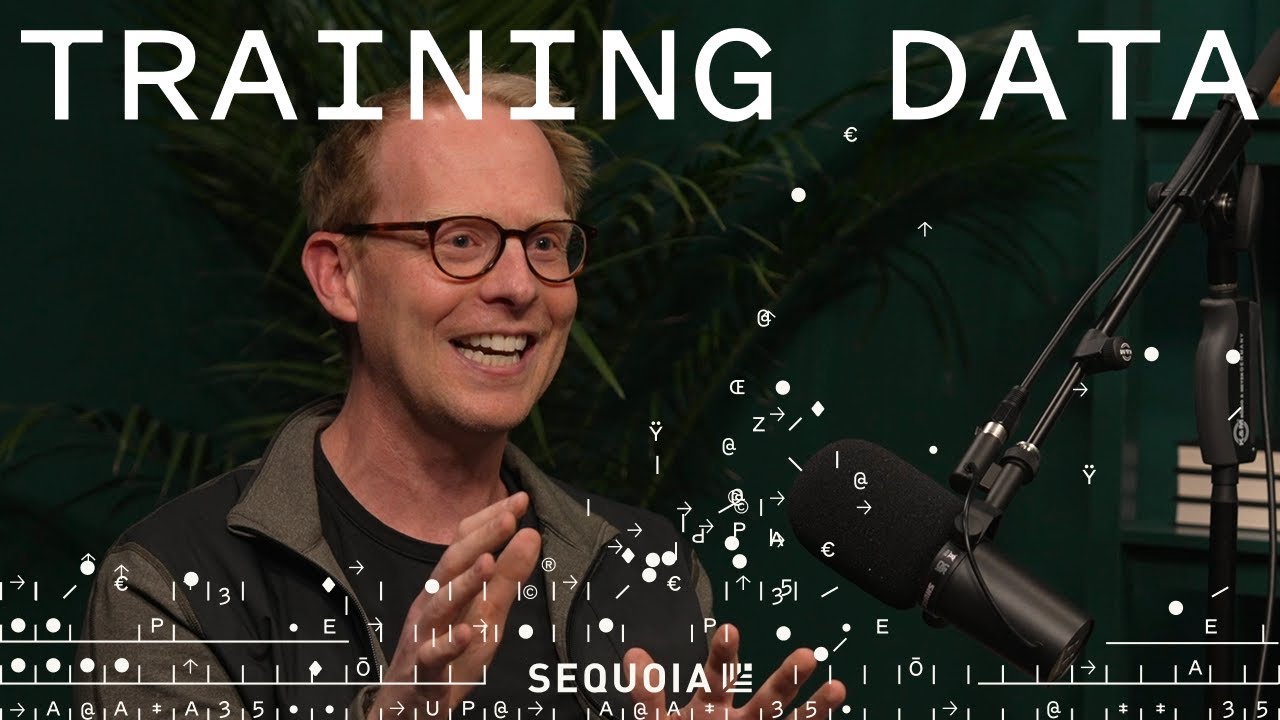

Goldman Sachs CEO David Solomon: What Startup Founders Get Wrong About the CEO Job
高盛CEO苏德巍:CEO桌上只有51比49的难题

93 分钟阅读1 次阅读Wall Street
【领导力】掌舵百年高盛的人眼中,创业者对CEO这份工作有哪些误解? 高盛CEO苏德巍与前HubSpot CEO Brian Halligan对谈,讲述执掌一家百年投行的真实决策现场。他认为,送到CEO桌上的只有51/49的艰难抉择。他复盘了高盛进军又退出消费金融业务的始末,强调聪明只需“足够”,经验与判断力在硅谷被严重低估,机缘与时机的作用也常被忽视。对话还谈到导师的影响、问责文化、疫情后重塑学徒制、与巨头合作的要点,以及AI如何让高效的人更高效。这些来自华尔街的视角,对正在扩张的创业者很有借鉴意义。 🎙️ 主讲人介绍 苏德巍(David Solomon):高盛集团CEO,37岁加入高盛,曾获布兰克费恩、保尔森等人指导,任内主导高盛退出消费金融业务等重大决策。 Brian Halligan:本期主持人,曾任HubSpot CEO,常以自身执掌公司的经验追问嘉宾领导力与企业文化问题。 核心议题:51/49的CEO决策、经验与聪明孰轻孰重、退出消费金融业务的反思、企业文化与学徒制重塑、大公司与初创企业合作、AI对金融业的影响。 关键词:高盛、CEO决策、企业文化、Apple Card、领导力、AI
章节 1:高盛CEO所罗门谈企业文化、标杆领袖与导师启示
📝 本节摘要:
高盛 CEO 所罗门认为,高盛文化独特且不断演变,CEO 须主动定义和强化文化,核心是赢得客户信任、着眼长期、做正确的事。他向纳德拉学习同理心领导力,借鉴艾格转型迪士尼,称前任布兰克费恩善管风险、保尔森重视客户且坚守原则。他最重要的导师是贝尔斯登时期的上司梅特里克,曾促使他自我反思、正视弱点并严格改进。
[原文] [David Solomon]: Goldman Sachs has been around for 155 years, and there's been a lot said about Goldman Sachs's culture, and Goldman Sachs's culture is unique. But I would also say it's constantly changing
[译文] [David Solomon]: 高盛已经有 155 年历史了,外界对高盛的文化谈论很多,高盛的文化也确实独一无二。但我也想说,它一直在变化,
[原文] [David Solomon]: and you better be working at defining what you want it to be, and constantly reshaping it and amplifying what you think really matters. The general ethos of the firm is: if you build trust with clients, if you take a long-term view, if you do the right thing, good things will happen. And I've watched that in my career, and I believe it deeply.
[译文] [David Solomon]: 所以你最好主动去定义你希望它成为什么样子,不断重塑它,放大那些你认为真正重要的东西。公司的基本信条是:只要你赢得客户的信任,着眼长远,做正确的事,好的结果自然会来。我在自己的职业生涯中亲眼见证了这一点,对此深信不疑。
[原文] [Brian Halligan]: Okay, this is a special episode with David Solomon, the CEO of Goldman Sachs, an incredible company, been around 150 years, just a terrific person in a terrific company. We get into a whole bunch of topics. One was decision-making, and in particular, you've got something going, it's kind of wobbling. When do you double down and when do you pull away? And he recently has had a whopper decision where they had a consumer partnership with Apple, and they recently basically walked away from that
[译文] [Brian Halligan]: 好,这是一期特别节目,嘉宾是高盛 CEO 大卫·所罗门(David Solomon)。高盛是一家了不起的公司,已经有 150 年历史,他本人也非常出色,身处一家出色的公司。我们聊了很多话题。其中一个是决策,尤其是当你手头的某件事有点摇摆不定时,什么时候该加码,什么时候该抽身?他最近就做了一个重大决定:高盛和苹果有一项消费金融合作,而他们最近基本上退出了这项
[原文] [Brian Halligan]: partnership, and so we get behind the scenes on that decision. I think it was pretty interesting. He credits culture a lot with why they've been around for 150 years. I've had a ton of CEOs, and it's really thrived. He's really thrived in the job, and we get into culture. Culture is a big reason why HubSpot, only 19 years, has been successful as well. I hope you like the episode. David is very sharp. He joined the company, it had a 40 billion market cap, I believe, and now it's something like 160 billion less than a decade later. So he's very, very good and very thoughtful. Hope you enjoy it. Thanks for joining us.
[译文] [Brian Halligan]: 合作。我们深入了解了这个决定背后的故事,我觉得挺有意思的。他把高盛能存续 150 年在很大程度上归功于文化。高盛历任 CEO 众多,公司一直蓬勃发展。他在这个岗位上也干得非常出色,我们也聊了文化。文化同样是 HubSpot 成立仅 19 年就能取得成功的重要原因。希望你喜欢这期节目。大卫非常敏锐。我记得他接手时公司市值大约 400 亿美元,不到十年后已经到了 1600 亿美元左右。所以他非常非常优秀,也很有思想。希望你喜欢。感谢你来参加节目。
[原文] [David Solomon]: Thank you for having me.
[译文] [David Solomon]: 谢谢邀请。
[原文] [Brian Halligan]: When I was a CEO, I really admired Steve Jobs. I tried to emulate him. I kind of really studied him and followed his playbook, and it largely served me pretty well. Who's your Steve Jobs?
[译文] [Brian Halligan]: 我当 CEO 的时候非常崇拜史蒂夫·乔布斯(Steve Jobs),试着模仿他。我认真研究过他,照着他的路数做,总体来说效果挺好。谁是你的“乔布斯”?
[原文] [David Solomon]: That's a great question. I, you know, I'd start by saying that, you know, Steve was obviously extraordinary in the context of what he did.
[译文] [David Solomon]: 这个问题问得好。我想先说,就他所做的事情而言,史蒂夫显然是非凡的。
[原文] [David Solomon]: Although I don't know that most public company CEOs could model Steve and get away with it in today's world. But he was extraordinary in terms of his focus, you know, his vision for what he thought really mattered. I've thought a lot about this because I've been asked similar questions, you know, over the years. And I don't have a Steve Jobs.
[译文] [David Solomon]: 不过在今天这个时代,我不确定大多数上市公司的 CEO 照搬史蒂夫的做法还能全身而退。但他在专注力、在对真正重要之事的远见上,确实非同寻常。这些年我常被问到类似的问题,所以想过很多。我没有一个属于自己的“乔布斯”。
[原文] [Brian Halligan]: One of the things on your Mount Rushmore.
[译文] [Brian Halligan]: 那你心目中的“名人堂”里有谁?
[原文] [David Solomon]: Well, I mean, there, you know, I mentioned, you know, some people right now that I, you know, I watch and I think enormously high of. I mentioned Satya Nadella, and you know, one of the things I've learned from him in my own journey as a CEO is he's an incredibly empathetic leader
[译文] [David Solomon]: 嗯,我之前提到过一些我目前一直在关注、也评价极高的人。我提到过萨提亚·纳德拉(Satya Nadella)。在我自己当 CEO 的历程中,我从他身上学到的一点是,他是一位极富同理心的领导者,
[原文] [David Solomon]: and you know, it's hard, you know, to move an organization and also exhibit empathy
[译文] [David Solomon]: 而要推动一个组织前进,同时又展现出同理心,其实是很难的。
[原文] [David Solomon]: and so I've, you know, I've watched some of what Satya has done, you know, in that context, because, you know, I think he leads with an enormous amount of empathy, besides the fact that he's a great strategic thinker and a whole bunch of other things.
[译文] [David Solomon]: 所以我在这方面观察过萨提亚的一些做法,因为我觉得他在领导中展现了极大的同理心,更不用说他还是一位出色的战略思考者,以及其他许多长处。
[原文] [David Solomon]: He's done an extraordinary job with Microsoft
[译文] [David Solomon]: 他在微软干得非常出色,
[原文] [David Solomon]: but then you also, you know, you can also, you know, pick and choose, you know, people that, you know, at times have led extraordinary transformations. You know, his journey is a different one at this point for a variety of reasons, but there was a period of time where I was really watching the way Bob Iger was transforming Disney, and you know, it was a difficult transformation. And so I've tried to pick out things that are going on with different CEOs and constantly say, what can I learn? One of the great advantages I have in my job is part of my job is to travel around and spend time with CEOs
[译文] [David Solomon]: 但你也可以挑选那些在某些时期领导过非凡转型的人来学习。出于种种原因,他现在的处境已经不同了,但有一段时间我非常关注鲍勃·艾格(Bob Iger)是如何推动迪士尼转型的,那是一次艰难的转型。所以我会从不同 CEO 正在做的事情中挑出值得关注的地方,不断问自己:我能学到什么?我这份工作的一大优势是,我的部分职责就是到处出差,和 CEO 们相处,
[原文] [Brian Halligan]: Interesting people.
[译文] [Brian Halligan]: 都是有意思的人。
[原文] [David Solomon]: So you get with interesting people, so you get to ask them, you know, why are you doing this? Why'd you do this? How did this work? So I get a lot of private time with CEOs to really reflect, and that's helped me a lot in my own journey as a CEO.
[译文] [David Solomon]: 对,和有意思的人在一起,你就能问他们:你为什么在做这件事?你当时为什么那么做?这是怎么运作的?所以我有很多和 CEO 们私下交流、深入思考的时间,这对我自己当 CEO 的历程帮助很大。
[原文] [Brian Halligan]: You've worked for some legends, Lloyd Blankfein, Hank Paulson. Did they mentor or coach you? Are there things you took from them that were incredibly valuable that all of us can learn from?
[译文] [Brian Halligan]: 你曾为几位传奇人物工作过,比如劳尔德·布兰克费恩(Lloyd Blankfein)、汉克·保尔森(Hank Paulson)。他们有没有指导或培养过你?你从他们身上学到了哪些极其宝贵、我们大家都能借鉴的东西?
[原文] [David Solomon]: I learned a lot from both of them. And you learned different things. They had different skills. They had different personalities, into different things. Lloyd was an incredible risk manager, an incredible risk manager, and he had an incredible ability to really sweat and worry about the things that had a small probability of happening. But boy oh boy, the fact that he was that way when we went into the financial crisis, you know, he was two steps ahead of a lot of other bank CEOs, and I think was really extraordinary as a risk manager in that context.
[译文] [David Solomon]: 我从他们俩身上都学到了很多,而且学到的东西各不相同。他们技能不同,性格不同,关注的东西也不同。劳尔德是一位了不起的风险管理者,真的非常了不起。他有一种非凡的能力,会为那些发生概率很小的事情真正操心、担忧。可是天哪,正因为他是这样的人,在我们进入金融危机时,他比很多其他银行的 CEO 都领先了两步。我认为在那种情况下,他作为风险管理者真的非常出色。
[原文] [David Solomon]: You know, Hank was driven. He had a great nose for client relationships and how to get things done. And Hank also, you know, Hank had an incredible compass. And you know, one of the things that I definitely
[译文] [David Solomon]: 至于汉克,他干劲十足。他对客户关系、对如何把事情办成有着敏锐的嗅觉。而且汉克有一个非常坚定的“指南针”。我确实从中……
[原文] [Brian Halligan]: What do you mean by that?
[译文] [Brian Halligan]: 这是什么意思?
[原文] [David Solomon]: He believed... we all need a compass, you know, in these jobs, and you want that compass pointing north. And one of the complicated things about being a CEO is there are a whole lot of things that are constantly banging on you, trying to knock your compass off of north. And sometimes it takes enormous, you know, resilience and determination to keep that compass pointed in the direction that you know is right while there's a lot of noise or agita. And you know, one of the things I learned from Hank, and I just remember, I remember sitting in a meeting with him, you know, early on when I was at Goldman Sachs, and somebody was suggesting something and there was a lot of momentum for it, and he just said, "Well, we're not going to do that."
[译文] [David Solomon]: 他认为……做这类工作,我们都需要一个指南针,而且你希望它始终指向正北。当 CEO 的复杂之处在于,总有一大堆事情不停地冲击你,想把你的指南针从正北方向撞偏。有时候,在一片嘈杂和焦虑之中,要让指南针始终指向你知道正确的方向,需要极大的韧性和决心。我从汉克身上学到的一点是——我至今还记得,我刚进高盛不久,和他一起开会,有人提了一个建议,而且大家都很支持,他却只说了一句:“嗯,这件事我们不做。”
[原文] [Brian Halligan]: Okay.
[译文] [Brian Halligan]: 嗯。
[原文] [David Solomon]: And it was completely against, it was completely against kind of the consensus of the room, and he was, he was being a CEO because he thought it was wrong. He said, "We're not going to do that."
[译文] [David Solomon]: 而这完全违背了在场所有人的共识。他之所以这么做,是因为他认为那是错的,这正是一个 CEO 该做的事。他说:“我们不做这件事。”
[原文] [David Solomon]: And so I, you know, I think it's, I think you can learn from a lot of people. I had a great mentor who wasn't a CEO, who actually, you know, if you would, if you would frame the question around who's the most important mentor
[译文] [David Solomon]: 所以我觉得,你可以向很多人学习。我有过一位非常好的导师,他并不是 CEO。如果你的问题是,我职业生涯中最重要的导师是谁,
[原文] [David Solomon]: you've had in your career, was a gentleman named Richie Metrick.
[译文] [David Solomon]: 那就是一位名叫 Richie Metrick 的先生。
[原文] [Brian Halligan]: Okay.
[译文] [Brian Halligan]: 好的。
[原文] [David Solomon]: who I worked for at Bear Stearns in the 1990s, been the CFO of Interstate Bakeries, he'd been a lawyer;
[译文] [David Solomon]: 上世纪 90 年代,我在贝尔斯登(Bear Stearns)给他工作。他曾任 Interstate Bakeries 的首席财务官,也当过律师。
[原文] [David Solomon]: he was also just intuitively one of the smartest people I've ever met in my career, and I've met a lot of smart people. But he had a profound impact on teaching me at a time when I was in my late 20s and my early 30s and I was kind of rising up in an organization relatively quickly. He really taught me to be self-reflective and really understand strengths and weaknesses,
[译文] [David Solomon]: 他凭直觉就能看透事情,是我职业生涯中见过的最聪明的人之一,而我见过的聪明人可不少。当时我二十八九岁到三十出头,在公司里升得比较快,他对我的教导产生了深远的影响。他真正教会了我自我反思,认清自己的长处和短板,
[原文] [David Solomon]: and, you know, be pretty hard on myself about things that I had to change
[译文] [David Solomon]: 并且对那些必须改变的地方严格要求自己,
[原文] [David Solomon]: if I wanted to advance. He forced me to look at myself at a time where I had, you know, less maturity, less of an ability to really... I was just going,
[译文] [David Solomon]: 如果我想继续往上走的话。那时我还不够成熟,也没什么能力真正地……我只是一个劲儿往前冲,而他逼着我审视自己,
[原文] [David Solomon]: and he forced me to pause and really think about myself and how I could make myself better. And he had a profound, had a profound impact on me.
[译文] [David Solomon]: 逼我停下来,认真思考自己,想想怎样才能让自己变得更好。他对我的影响非常深远。
[原文] [Brian Halligan]: Okay. Interesting. There's, it's a little bit fashionable in Silicon Valley these days that people are saying you get a much better return on your investment by investing in your strengths and making them stronger versus fixing your weaknesses, and you should just hire around your weaknesses. Any reaction to that?
[译文] [Brian Halligan]: 好的,很有意思。现在硅谷有一种挺流行的说法:与其修补短板,不如投入精力让长处更强,这样回报要高得多;至于短板,招人来补就行了。你怎么看?
[原文] [David Solomon]: I, I think to be successful over a very, very long career where you're going to be in leadership positions and ultimately rise up to lead a big organization. And by the way, it's very different from a founder, who leads an organization because they created it.
[译文] [David Solomon]: 我认为,如果你想在一段非常漫长的职业生涯中取得成功,身处领导岗位,并最终一路晋升去领导一个大型机构……顺便说一句,这和创始人很不一样,创始人之所以领导一个组织,是因为组织是他们亲手创建的。
- 章节 2:优势与短板并重:机缘、时机与「聪明」的价值
- 章节 3:经验胜于聪明:苏德巍谈领导力的养成之路
- 章节 4:直面失败与担当:高盛的问责文化
- 章节 5:高盛进军与退出消费金融业务的始末
- 章节 6:大公司与初创企业合作之难:激励、目标与治理
- 章节 7:以客户为北极星:平衡客户、股东与员工
- 章节 8:高盛的增长、文化重塑与战略共识
- 章节 9:高盛穿越危机之道:转型、风控文化与接班传承
- 章节 10:技术与AI:让高效的人更高效,而非取代信任
- 章节 11:CEO 打碟引发争议:所罗门谈爱好与公众形象
- 章节 12:结语:艰难决策、合作之道与文化致胜
正在加载后续章节…