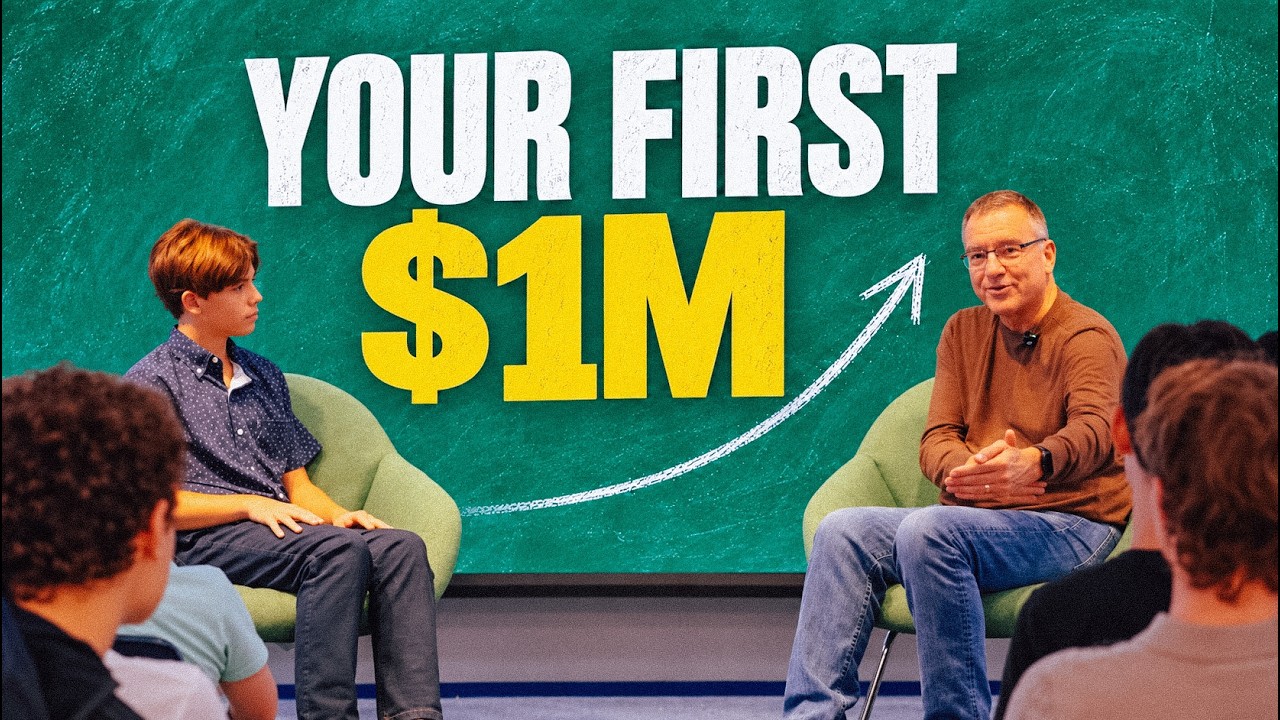
美國奧數國家隊教練羅博深:AI 解 IMO 比我還多,學校到底還該教什麼:「以前上學是學寫作業,現在每個人都要學會改作業」
AI时代,学校究竟该教会孩子什么

43 分钟阅读6 次阅读Education
【教育前沿】当AI比人类更会解题,教育应从完成作业转向批改世界 美国数学奥林匹克国家队教练罗博深分享了AI解答国际数学奥林匹克题目的经历,并由此追问:当机器不断超越人类,学校还应培养什么?他认为,教育不能只围绕刷题、考试和证明自己更优秀,而应训练人们在陌生问题中整合线索、独立判断、提出新想法,并学会像老师一样批改答案。文章还讨论共情、模拟现实、接触多元世界与发现真实需求的重要性,帮助读者重新理解AI时代的创造力、学习方式与个人价值。 🎙️ 主讲人介绍 Po-Shen Loh(罗博深):卡内基梅隆大学数学教授、美国数学奥林匹克国家队教练,长期关注数学教育、独立思考与AI时代的人才培养。 核心议题:AI时代的创造力、学校教育的重新定位、从解题到批改答案、共情与现实模拟、自主创新教育生态、乡村儿童的创新潜力。 关键词:人工智能、数学教育、独立思考、创造力、批判性思维、共情
章节 1:AI时代最重要的创造力
📝 本节摘要:
波申·罗教授谈到,人工智能的发展速度极快,未来可能超越人类的能力与创造力。面对大学教育的不确定性,他认为真正重要的能力,是在陌生问题中整合线索、形成自己的想法,并以此培养更有思考力的人。
[原文] [Po-Shen Loh]: For many, many years, humans were the top species, the most capable things on this planet. Soon, it will not be that case. The creativity in AI can probably surpass what we can do, too. AI is advancing so fast. I have three kids. I'm a math professor at Carnegie Mellon University. I'm not even sure what's going to happen to university. In fact, actually, I'm going to say as a parent, I don't really even care too much if all of my children go to university because I think that at this point, by the time they go to university, boy, the world will be so different that the most important skill that you could have is that ability to synthesize your own idea. I interview lots and lots of high school students who want to work with me. And during the interview, the way that I interview is I
[译文] [Po-Shen Loh]: 很多很多年来,人类一直是地球上最顶尖的物种,拥有最强的能力。但这种情况很快就会改变。人工智能的创造力可能也会超过我们。AI的发展速度太快了。我有三个孩子,是卡内基梅隆大学的数学教授。我甚至不确定大学未来会变成什么样。事实上,作为一个家长,我并不太在意我的孩子是不是都要上大学,因为我觉得,等他们到了上大学的年纪,世界肯定已经大不一样了。那时候,最重要的能力,就是整合信息、形成自己想法的能力。我经常面试很多想跟我一起工作的高中生。在面试时,我的方式是:我会不断向他们提问,直到我很确定——
[原文] [Po-Shen Loh]: ask them questions until it's very clear from their body language that they have never seen this question before. I wait until it's really clear that they have never seen this before. And then I want to see how you think. The expectation is that you won't solve it. And so then I start to give hints. And then I want to see how quickly you can synthesize them into a solution for a problem we have never seen before. Actually, that's also creativity. We really need this skill. Now, I'm Po-Shen Loh. I'm a mathematician who likes to solve real-world problems. In real life, I'm a math professor at Carnegie Mellon University, but I'm also a social entrepreneur where I've been running my own educational solution, which tries to make the world a more thoughtful place.
[译文] [Po-Shen Loh]: 我会通过他们的肢体语言确认,他们以前从没见过这道题。我会等到这一点非常明确,然后看看你是怎么思考的。我们并不期待你能直接解出来。于是,我会开始给一些提示,再观察你能多快把这些提示整合起来,解决一个我们从未见过的问题。其实,这也是创造力。我们真的很需要这种能力。我是波申·罗,一名喜欢解决现实问题的数学家。在现实中,我是卡内基梅隆大学的数学教授,同时也是一名社会企业家,一直在运营自己的教育项目,希望让这个世界变得更有思考力。
- 章节 2:AI时代学校该教什么
- 章节 3:像老师一样思考,而非学生
- 章节 4:从竞争成功到创造更大社会影响
- 章节 5:构建三方共赢的自主创新教育生态
- 章节 6:比创造力更重要的是共情与价值
- 章节 7:模拟世界,培养独立思考
- 章节 8:如何避免片面思考并创造价值
- 章节 9:乡村孩子是未开发的创新潜力
正在加载后续章节…